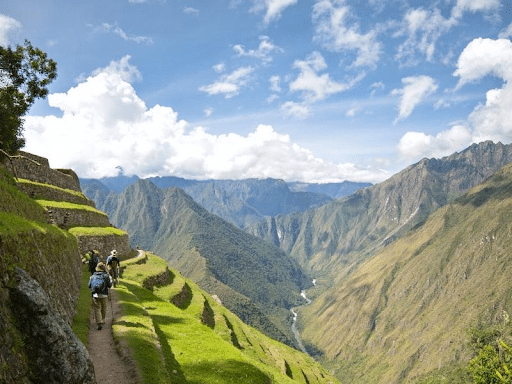
The 4-day Inca Trail hike is one of the most celebrated trekking experiences in the world, offering a rare opportunity to walk along ancient paths once used by the Inca civilization. This iconic route blends history, adventure, and breathtaking Andean landscapes, culminating at the legendary citadel of Machu Picchu. More than a physical challenge, the hike is a cultural and spiritual journey through one of South America’s most remarkable historical regions.
For travelers seeking an immersive experience that combines nature and archaeology, the 4-day Inca Trail hike remains unmatched in authenticity and prestige.
Understanding the Inca Trail
The Inca Trail is part of a vast road network known as Qhapaq Ñan, which once connected the entire Inca Empire. The classic 4-day Inca Trail hike covers approximately 42 kilometers (26 miles) and passes through a diverse range of ecosystems, from high-altitude mountain passes to lush cloud forests.
What sets this route apart from other treks to Machu Picchu is the presence of original stone paths and well-preserved archaeological sites along the way. These ancient roads were engineered with extraordinary precision, designed to withstand centuries of use and extreme weather conditions.
Day-by-Day Overview of the 4-Day Inca Trail Hike
Day 1: Trailhead to First Campsite
The journey begins at Kilometer 82, where hikers officially enter the Inca Trail. The first day is relatively gentle, allowing trekkers to adjust to the terrain and altitude. Scenic views of the Urubamba River and surrounding valleys accompany the path, creating a welcoming introduction to the adventure.
Along the route, hikers visit archaeological sites such as Llactapata, which reveal the agricultural sophistication of the Incas. The day ends at a campsite nestled in the Andes, where trekkers enjoy their first night under the stars.
Day 2: High-Altitude Challenge
The second day is the most demanding of the 4-day Inca Trail hike, featuring a steep ascent to Dead Woman’s Pass (Warmiwañusca), the highest point at 4,215 meters (13,828 feet). This climb requires endurance and determination, but the sense of accomplishment upon reaching the summit is unparalleled.
After crossing the pass, the trail descends into a tranquil valley, offering well-earned rest and dramatic scenery. Many hikers consider this day the defining moment of the journey.
Day 3: Cultural and Scenic Highlights
Day three is often regarded as the most rewarding. The trail winds through cloud forests and unveils several impressive Inca ruins, including Runkurakay, Sayacmarca, Phuyupatamarca, and Wiñay Wayna. Each site provides insight into Inca engineering, urban planning, and spiritual beliefs.
Stone staircases, ceremonial fountains, and panoramic viewpoints showcase the Incas’ deep understanding of their environment. The diversity of landscapes and archaeological richness make this day unforgettable.
Day 4: Arrival at Machu Picchu
The final day begins before sunrise as hikers approach Inti Punku, the Sun Gate. As dawn breaks, Machu Picchu gradually emerges from the mist, offering an awe-inspiring first view.
Entering Machu Picchu on foot after completing the 4-day Inca Trail hike creates a powerful emotional moment. Guided tours explain the historical significance of the citadel before hikers enjoy time to explore independently.
Historical and Cultural Importance
The Inca Trail was not merely a transportation route; it held ceremonial and spiritual significance. Many sections of the trail align with sacred mountains, celestial events, and natural water sources. The Incas believed these elements were connected to divine forces, and the trail reflects this cosmology.
Walking the 4-day Inca Trail hike allows travelers to experience these sacred pathways firsthand, gaining a deeper understanding of how the Incas viewed the world and their place within it.
Physical Preparation and Fitness Requirements
While no technical climbing skills are required, the 4-day Inca Trail hike demands a good level of physical fitness. Long walking days, high altitude, and steep ascents can be challenging, particularly for those not accustomed to mountainous terrain.
Training typically includes cardiovascular exercises, leg strengthening, and hiking with a backpack. Acclimatizing in Cusco or the Sacred Valley before the trek significantly improves comfort and performance on the trail.
Best Time to Complete the Hike
The most popular months for the 4-day Inca Trail hike are during the dry season, from May to September, when weather conditions are more predictable. June and July offer clear skies but also attract larger crowds.
April and October are considered shoulder seasons, providing fewer hikers and mild conditions. The trail is closed in February each year for maintenance and conservation efforts.
Sustainability and Responsible Tourism
The Peruvian government strictly regulates access to the Inca Trail to protect its cultural and environmental integrity. Daily permits are limited, and hikers must be accompanied by licensed guides from authorized tour operators.
Porters play a crucial role in the success of the hike, and responsible operators ensure ethical treatment, fair wages, and appropriate equipment. Supporting sustainable tourism helps preserve the trail for future generations while benefiting local communities.
Conclusion
The 4-day Inca Trail hike stands as one of the world’s most extraordinary trekking experiences, combining natural beauty, historical depth, and personal achievement. From ancient stone pathways and sacred ruins to panoramic mountain views, every step offers a connection to a civilization that continues to inspire the modern world.
For travelers seeking more than a destination, the 4-day Inca Trail hike provides a meaningful journey—one that challenges the body, enriches the mind, and leaves a lasting impression long after Machu Picchu comes into view.