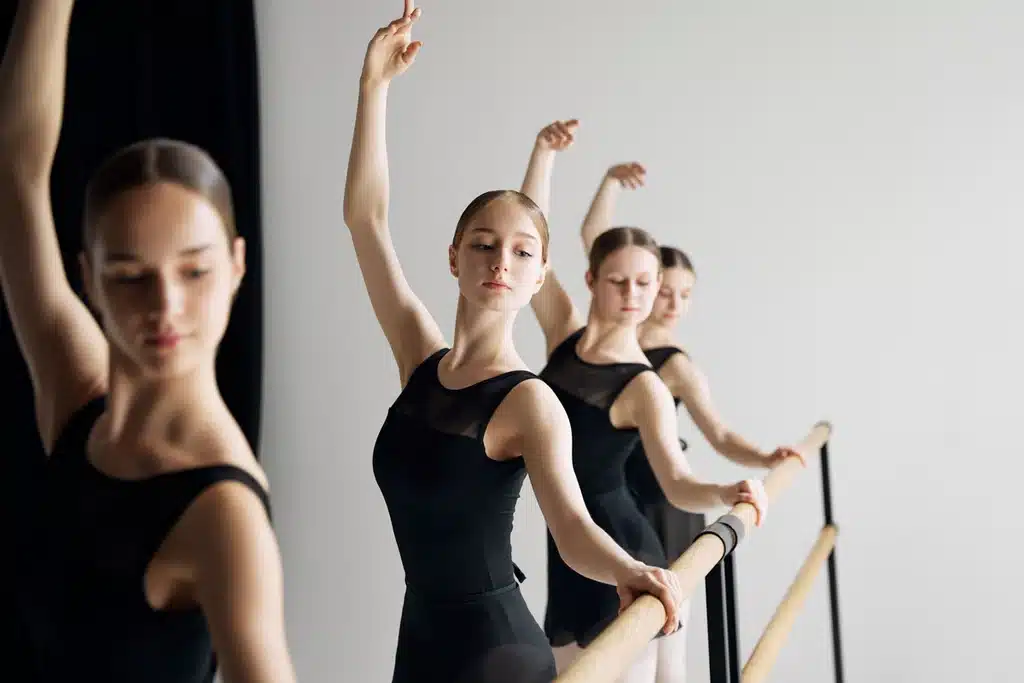
How Modern Dancewear Supports Technique Confidence And Style
For today’s performers, the right dancewear is more than an outfit for class. It has to move with the body, flatter clean lines, and match the energy of rehearsals, conventions, and social content. When pieces fit well, support full range of motion, and reflect a dancer’s personal style, it becomes easier to focus on musicality and performance instead of worrying about coverage or comfort.
Building that kind of wardrobe starts with understanding what matters most for life in the studio and on stage.
Why dancewear is part of a dancer’s training toolkit
Serious training asks a lot from young dancers and pre professionals. Schedules often include technique classes, team rehearsals, cross training, and travel. Clothing that cannot keep up quickly becomes a distraction.
Well chosen dancewear does three important jobs
- Supports alignment so teachers can see posture, turnout, and placement clearly
- Stays in place through jumps, floor work, and quick changes
- Helps dancers feel ready the moment they step into the studio
For younger dancers, consistent classwear can signal that it is time to focus as soon as they pull on their leo, top, or bikers. For teens and young adults, a mix of sleek basics and statement pieces helps them feel more confident in front of mirrors, cameras, and choreographers.
Fabric choices that match real studio life
Rehearsal days are long, and convention weekends are even longer. Fabric quality has a direct effect on how comfortable dancers feel during those hours.
Key qualities to look for in modern dancewear
- Stretch and recovery
Four way stretch fabric should follow every movement and then return to its original shape. This prevents tops from sagging at the neckline or bottoms from bagging at the knees. - Breathability
Heavy fabrics trap heat and sweat, which can make dancers feel weighed down. Lightweight, breathable materials help manage temperature during intense classes. - Coverage under strong lighting
Stage lights and bright studio spaces can expose thin fabric. Well made pieces stay opaque in all settings without feeling thick or bulky. - Soft feel against the skin
Dancers spend hours in contact with their clothing. Smooth seams and soft fabrics reduce irritation around shoulders, underarms, and waistbands.
When fabric checks these boxes, pieces stay in rotation instead of becoming “one wear and done” items.
Fit details that keep focus on movement
Even the best fabric cannot fix a poor cut. Dancewear that looks good on a hanger but rides up, twists, or digs in will not see much use. A few practical fit checks can help dancers and parents make better choices.
For leotards
- The torso should sit smooth without pulling at the shoulders
- Leg lines should feel secure yet flattering, and meet studio guidelines
- Necklines and straps must stay in place through cambres, rolls, and jumps
For tops
- Necklines should not gap when dancers invert or bend
- Bands and hems need enough hold to stay put without cutting into the ribs
- Back designs should allow shoulder mobility for port de bras and arm lines
For bottoms
- Waistbands should sit steadily without rolling down or digging in
- Lengths for bikers or leggings should match class rules and comfort
- Fabric should move easily through splits, lunges, and floor work
When these details are right, clothing feels like a second skin rather than something dancers need to manage during every combination.
Balancing personality with studio expectations
Dancewear is also part of a dancer’s identity. Young performers often want pieces that feel current, match their aesthetic, and work for photos and videos. At the same time, studios and coaches need classwear that supports focus and allows clear viewing of technique.
A practical way to balance both needs
- Use solid colors and clean silhouettes for core technique classes
- Save bolder prints, mesh panels, and statement backs for rehearsals, workshops, and content days
- Coordinate colors and cuts for teams or competition groups so everyone looks unified without feeling identical
This kind of structure gives dancers room to show personality while still respecting dress codes and instructor expectations.
How studios and coaches benefit from smart dancewear choices
From a teaching and coaching perspective, thoughtful dancewear makes the day run smoother. Matching or complementary pieces in suitable colors help groups look polished at events, in photos, and on social feeds. Reliable sizing and construction also reduce time spent handling wardrobe issues during busy seasons.
Studios often look for brands that
- Offer consistent sizing across styles
- Hold color and shape through frequent washing
- Provide silhouettes that flatter a range of body types
- Design pieces that photograph well without distracting from choreography
When these elements line up, directors can spend more time on artistry and less time troubleshooting what dancers are wearing.
Final thoughts and where to find dancewear that suits real dancers
The best dancewear supports more than one part of a dancer’s life. It moves easily from barre to center, from rehearsal to gym session, and from convention floor to content shoot. With the right mix of fit, fabric, and style, wardrobe choices can reinforce training goals instead of getting in the way.
If you are ready to refresh your class basics, add a few standout sets for stage and social content, or coordinate looks for a team or studio program, you can find a wide range of options from Tiger Friday that are designed with young dancers, pre professionals, and style focused movers in mind.