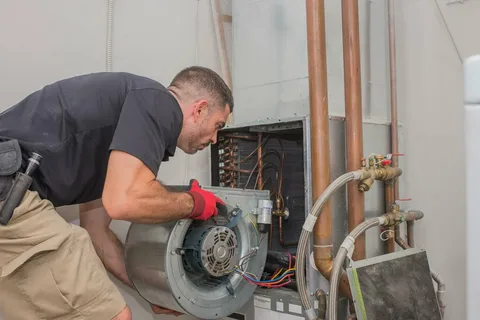
Your refrigerator stopped cooling in the middle of a Charlotte summer. The washer won’t drain. The oven refuses to heat. Before you panic-dial the first repair service you find, take a breath. A little preparation can save you hundreds of dollars and hours of frustration.
This checklist covers everything you need to do before scheduling appliance repair Charlotte NC services. From quick DIY fixes to gathering the right information for technicians, you’ll be ready to make smart decisions about your broken appliances.
Before You Even Think About Calling
Many appliance problems have simple solutions. Taking 10 minutes to run through basic checks can save you a $100+ service call fee.
1. Make Sure It’s Really Broken (Quick DIY Checks)
Start with power and basic function tests. About 20% of service calls are for issues that homeowners could fix themselves.
Power and reset checks:
- Test the outlet with a phone charger or lamp
- Check your breaker panel for tripped circuits
- Reset GFCI outlets in kitchens and bathrooms
- Unplug the appliance for 60 seconds, then plug it back in
Basic function checks by appliance:
- Refrigerators: Check door seals and temperature settings
- Washers: Verify the lid or door closes completely
- Dryers: Clean the lint trap and check the exhaust vent
- Dishwashers: Inspect the spray arms for clogs
- Ovens: Make sure settings weren’t accidentally changed
When to stop DIY immediately:
- Burning smell or visible smoke
- Sparks or electrical arcing
- Water near electrical components
- Gas odor near any appliance
2. Consult the Manual and On-Screen Error Codes
Lost your appliance manual? Search “[Brand] [Model Number] manual PDF” in Google. Manufacturers host official manuals on their websites for free.
Modern appliances display error codes that tell you exactly what’s wrong. Write down any codes flashing on your display. Many manuals include troubleshooting sections that explain these codes and offer DIY solutions.
Even if you can’t fix the problem yourself, having this information ready helps technicians diagnose issues faster.
3. Simple Fixes That Can Save a Service Call
Many common appliance issues have simple solutions you can handle yourself.
Safe DIY fixes:
- Hard reset: Unplug for 5 minutes, then restore power
- Clear blocked vents and kinked hoses
- Replace or clean clogged filters
- Defrost iced-over freezer coils (door left open too long)
Leave these for professionals:
- Sealed refrigerant systems
- Gas line connections
- Live electrical panels
- Control board replacements
Gather All the Appliance Details Charlotte Techs Ask For
Having complete information ready shortens phone calls and helps technicians arrive with the right parts.
1. Capture the “Appliance ID Card.”
Technicians need four key details: brand, model number, serial number, and approximate age.
Where to find model and serial numbers:
- Refrigerators: Inside wall, near the top shelf, or behind the crisper
- Washers: Inside the door frame or on the back
- Dryers: Inside the door or on the back panel
- Dishwashers: Inside the door edge or tub rim
- Ovens: Behind the bottom drawer or inside the door frame
- Built-ins: Check side panels once the unit is pulled out
2. Document the Symptoms Like a Pro
Be specific and chronological when describing problems. Include what the appliance did before failing, when the issue started, and any unusual noises, smells, or error messages.
Note whether the problem is constant or intermittent. Does it happen with full loads? During certain cycles? In high humidity? These details help technicians arrive prepared with the right diagnosis.
Taking a short video of the problem in action can be incredibly helpful.
3. Pull Together History, Warranties, and Paperwork
Gather records of prior repairs and who performed them. Note any recurring issues the technician should know about.
Check coverage before calling:
- Manufacturer warranty (usually 1-2 years on parts)
- An extended warranty from the retailer
- Home warranty policy
- Landlord responsibility (for renters)
Decide Whether to Repair, Replace, or Wait
Sometimes repair isn’t the best option. Consider these factors before committing.
1. Age, Cost, and Type of Appliance
Most appliances last 10-15 years with proper maintenance.
Typical lifespans:
- Refrigerators: 12-15 years
- Washers: 10-13 years
- Dryers: 10-13 years
- Dishwashers: 9-12 years
- Gas ranges: 15-18 years
- Microwaves: 8-10 years
Use the 50% rule: if the repair costs more than half the price of a new appliance and your unit is past its midlife, replacement often makes more sense.
2. Charlotte-Specific Considerations
Charlotte’s humid subtropical climate puts extra stress on certain appliances.
Summer humidity levels in Charlotte reach 74% on average in August, with temperatures hitting 90°F or higher. This forces refrigerators and dehumidifiers to work overtime. Condenser coils collect dust faster. Gaskets deteriorate quickly.
Charlotte’s water comes from Lake Norman and Mountain Island Lake. While it’s relatively soft at around 28-32 parts per million hardness, chloramine treatment can affect appliance components over time. Dishwashers and washing machines may accumulate mineral deposits, though less severely than in hard-water areas.
If you notice more appliance issues during July and August, Charlotte’s climate is likely a contributing factor.
3. Timing and Urgency
A dead refrigerator in July requires immediate attention. Food spoilage costs add up fast, and Charlotte’s heat accelerates the problem.
A broken ice maker or a dryer that takes two cycles? Those can wait a day or two. You might even bundle multiple issues into one visit and save on service fees.
Choose the Right Charlotte Appliance Repair Technician
Not all repair companies are equal. A few minutes of research protects your wallet and your time.
1. Build a Shortlist Fast
Start with neighborhood Facebook groups and Nextdoor. Ask for recent recommendations.
Check company websites for:
- Clear Charlotte-area service boundaries
- List of brands they actually service
- Same-day or next-day availability
- Verified customer reviews with responses from the company
Questions to Ask Before You Book
Get these details in writing before committing:
- Service call fee and whether it applies to the repair total
- Diagnostic fee (separate from service call?)
- Warranty on parts and labor
- Proof of license and insurance
- Arrival window (2-hour windows are standard)
2. Match the Tech to the Appliance
Confirm the company services your specific appliance type and brand. High-end brands like Sub-Zero, Viking, and Thermador require specialized training. Gas ranges need technicians certified in gas line work. Stacked washer-dryer units and built-ins present access challenges that not every technician handles.
Ask if they carry common parts for your brand on their truck. This reduces the chance of needing a second visit.
CLT Appliance Repair serves Charlotte homeowners with same-day diagnostics and transparent pricing. Our technicians arrive with stocked trucks and provide upfront estimates before any work begins. Call now to schedule your repair and skip the guesswork!
Prep Your Charlotte Home for the Visit
A little preparation helps technicians work faster and more safely.
1. Clear Paths, Kids, and Pets
Create a clear, clutter-free path to the appliance. Move furniture if needed.
Secure pets in another room. Plan supervision for young children so the technician can work without interruptions. This keeps everyone safe and speeds up the repair.
2. Make the Appliance Easy to Work On
Pre-visit prep by appliance:
- Refrigerators/freezers: Empty contents into coolers with ice
- Washers/dryers: Remove all laundry
- Ovens: Take out racks and clear surrounding counters
- All appliances: Ensure access to electrical panels, water shutoffs, and gas valves
Clear any stored items blocking access to utility connections. Technicians shouldn’t have to move boxes to reach a breaker panel.
3. Prepare Your Questions and Expectations
Write a short list including your suspected causes, budget ceiling, and whether you’d consider replacing instead of repairing.
Ask for a written estimate before work begins. Clarify what’s included in the quote versus what might trigger additional charges.
After the Technician Leaves: Don’t Skip These Last Checks
The repair isn’t complete until you verify the fix and document everything.
1. Test, Inspect, and Get Everything in Writing
Run a full or partial cycle while the technician is still present. Confirm the problem is actually fixed.
Request a detailed invoice that lists the diagnosis, parts replaced, labor charges, and warranty terms. Keep this for your records.
2. Capture Maintenance Tips for the Future
Ask what you can do to extend the life of your specific appliance. Get recommendations for cleaning schedules, filter replacements, and vent checks.
Set monthly or quarterly reminders for basic maintenance tasks. Five minutes of prevention beats hours of repair.
3. Update Your Personal “Appliance File.”
Save invoices, photos of the model and serial tags, and notes from the visit in a digital folder. Google Drive, Dropbox, or even your phone’s photo album works.
Track which Charlotte repair companies impressed you. Next time an appliance fails, you’ll make faster, better decisions. Companies like CLT Appliance Repair build long-term relationships with Charlotte homeowners by earning this kind of trust.
Bottom Line
Appliance breakdowns happen to everyone. But calling a repair technician doesn’t have to be stressful or expensive. Run through the quick DIY checks first. Gather your appliance information. Know your warranty status. Consider whether repair makes financial sense. Then choose a reputable Charlotte technician and prepare your home for the visit.
Following this checklist puts you in control. You’ll ask better questions, avoid unnecessary charges, and get your appliances running again faster. That’s the smart approach to appliance repair Charlotte NC homeowners deserve.
FAQs
How much does appliance repair cost in Charlotte, NC?
Most Charlotte appliance repairs cost between $150 and $400, including the service call fee. Complex repairs like sealed-system refrigerator work or control board replacements can reach $500 or more. Always request a written estimate before authorizing work.
Is it worth repairing a 10-year-old appliance?
It depends on the repair cost and appliance type. Use the 50% rule: if repair exceeds half the replacement cost and the unit is past midlife, replacement usually makes more sense. Simple fixes on quality brands are often worth doing regardless of age.
How quickly can I get an appliance repaired in Charlotte?
Many Charlotte appliance repair companies offer same-day or next-day service for common issues. Emergency repairs may be available for urgent situations like refrigerator failures in summer. Booking morning appointments typically provides more scheduling flexibility.
What should I do if my appliance is under warranty?
Contact the manufacturer first. Using unauthorized repair services can void your warranty. The manufacturer will direct you to certified service providers. Keep your purchase receipt and warranty documentation accessible for faster claims processing.
Do Charlotte appliance repair technicians work on weekends?
Yes, many Charlotte repair companies offer Saturday appointments. Some provide Sunday and evening emergency services for an additional fee. Weekend availability varies by company, so confirm when booking. Planning ahead for non-urgent repairs saves on after-hours charges.