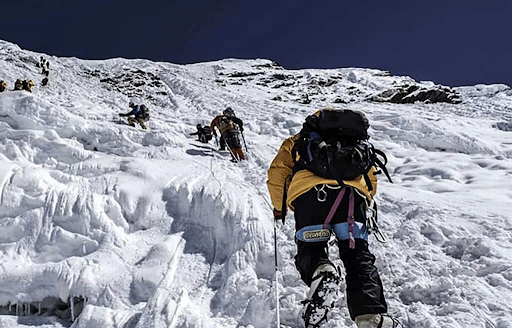
Nepal, renowned for its towering Himalayan peaks, offers countless opportunities for mountaineers and adventure seekers. Among the most sought-after climbs is island peak climbing,also known as Imja Tse, which stands at 6,189 meters (20,305 feet). Located in the Sagarmatha region near Everest, Island Peak climbing provides a perfect mix of high-altitude adventure, breathtaking scenery, and an introduction to technical mountaineering without the extreme challenges of eight-thousanders.
Overview of Island Peak
Island Peak earned its name from its resemblance to a small island rising above the surrounding glaciers when viewed from Dingboche. It lies in the Khumbu Valley, the gateway to Everest Base Camp, and is part of the Sagarmatha National Park, a UNESCO World Heritage Site. The climb offers panoramic views of majestic peaks such as Lhotse, Nuptse, Ama Dablam, and Mount Everest, making it a favorite for trekkers looking to combine trekking with mountaineering.
Island Peak is considered a trekking peak under the Nepal Mountaineering Association (NMA), which means it is suitable for climbers with limited technical experience but who are prepared for high-altitude conditions. Its popularity stems from being a relatively achievable high-altitude climb that requires basic mountaineering skills like using crampons, ice axes, and fixed ropes.
Highlights of Island Peak Climbing
1. Stunning Himalayan Views
One of the main attractions of Island Peak climbing is the spectacular mountain panorama. From the summit, climbers can enjoy unobstructed views of the world’s tallest peaks, including Mount Everest, Lhotse, Nuptse, and Ama Dablam. The sight of glaciers, deep valleys, and rugged Himalayan landscapes makes the climb a visually unforgettable experience.
2. Technical Climbing Experience
While Island Peak is classified as a trekking peak, it introduces climbers to basic technical mountaineering. The climb involves ascending snow and ice slopes, negotiating crevasses, and using fixed ropes for safety. These challenges provide valuable experience for those planning to attempt higher Himalayan peaks in the future.
3. Cultural Immersion
The trek to Island Peak passes through Sherpa villages, such as Namche Bazaar, Tengboche, Dingboche, and Chhukung. Trekkers experience Sherpa hospitality, traditional Buddhist monasteries, prayer flags, and mani walls, offering insight into the local culture. Tengboche Monastery, one of the most important monasteries in the region, provides a spiritual experience and a glimpse into Buddhist traditions.
4. Glacier Adventure
Climbers traverse parts of the Imja Glacier, providing exposure to glacier travel and the unique beauty of icefalls and crevassed landscapes. This adds an element of adventure and thrill, as navigating the glacier requires careful attention, proper gear, and sometimes the assistance of experienced guides.
Best Time to Climb Island Peak
The optimal climbing periods for Island Peak are during pre-monsoon (March to May) and post-monsoon (late September to November). These seasons offer stable weather, clear skies, and excellent visibility. During these months, temperatures are relatively moderate, snow conditions are favorable, and the risk of heavy rainfall or avalanches is minimal.
Climbing in winter or monsoon is generally not recommended due to harsh weather, increased avalanche risk, and slippery conditions on the ice slopes.
Trekking Route Overview
Island Peak climbing begins with a trek from Lukla, the gateway to the Everest region. The route generally follows the classic Everest Base Camp trek with some variations:
- Lukla to Namche Bazaar – The trek begins with a flight to Lukla, followed by a moderate hike to Namche Bazaar, the main Sherpa town and acclimatization hub.
- Namche Bazaar to Tengboche – A scenic trail passing through rhododendron forests, pine trees, and Mani walls, culminating in a visit to Tengboche Monastery.
- Tengboche to Dingboche – The trail ascends to the high-altitude village of Dingboche, ideal for acclimatization.
- Dingboche to Chhukung – A gradual trek through rugged terrain, offering views of Imja Tse and surrounding peaks.
- Chhukung to Island Peak Base Camp – Climbers reach the base camp at around 5,100 meters, where they prepare for the summit push.
- Summit Day – Climbers ascend steep snow slopes, negotiate ridges, and reach the summit, witnessing breathtaking views before descending to the base camp.
The trek back generally follows the same route, offering opportunities to explore more of the Khumbu region along the way.
Preparation and Equipment
Island Peak climbing requires proper preparation in terms of physical fitness, gear, and mental readiness:
- Physical Training: Endurance training, hiking with a loaded backpack, and cardio exercises are essential.
- Climbing Gear: Crampons, ice axe, harness, helmet, ropes, and mountaineering boots are mandatory for summit attempts.
- Clothing: Layered clothing for cold, windy, and snowy conditions, including insulated jackets, thermal layers, gloves, and hats.
- Health and Safety: Adequate hydration, proper acclimatization, and first aid kits are crucial. Hiring a licensed guide or joining a reputable expedition increases safety and success rates.
Obtaining permits, such as the Sagarmatha National Park Permit and Island Peak Climbing Permit, is mandatory and should be arranged before departure.
Challenges and Risks
Although Island Peak is considered a trekking peak, climbers face certain challenges:
- High Altitude: Risks of acute mountain sickness (AMS) require careful acclimatization.
- Technical Sections: Snow slopes, ice ridges, and crevassed areas demand attention and mountaineering skills.
- Weather Changes: Rapid weather changes in the Himalayas can pose risks; climbers must be prepared for sudden storms.
- Physical Demands: The climb requires stamina, endurance, and mental resilience due to long trekking days and challenging terrain.
Awareness, preparation, and professional guidance significantly reduce risks and enhance the overall experience.
Conclusion
Island Peak climbing is a unique adventure that combines high-altitude trekking, technical mountaineering, and cultural exploration. From the lush Sherpa villages to icy ridges and the stunning Himalayan panorama, every step of the journey is filled with awe and excitement. It serves as an excellent introduction to mountaineering, offering climbers the thrill of reaching a summit over 6,000 meters while providing an unforgettable experience in Nepal’s Everest region. For adventurers seeking a challenging yet achievable climb with spectacular views and rich cultural encounters, Island Peak climbing promises an experience that is both transformative and exhilarating.
CONTACT US;
COMPANY NAME; Nepal Pioneer Treks and Expedition Pvt. Ltd.
ADDRESS; Thamel, Kathmandu 44600, Nepal
EMAIL; [email protected]
WHATSAPP NO; +977 9841159744 (Binod)