


When planning a journey to Moldova, understanding the country’s essential attractions ensures you experience the best this hidden European gem offers. While Moldova may lack the international fame of neighboring destinations, it compensates with unique attractions found nowhere else on Earth. From underground wine cities rivaling anything in established wine regions to cliff-carved monasteries preserving ancient traditions, these Moldova must see destinations reveal why discerning travelers increasingly add this small nation to their European itineraries. Here are the essential experiences that define any comprehensive Moldovan journey.
Cricova Underground Wine City
Cricova stands undeniably as Moldova’s most internationally recognized attraction and an absolute must see for any visitor. This extraordinary complex consists of 120 kilometers of underground galleries converted from limestone mines into the world’s second-largest wine cellar. Descending into Cricova feels like entering another world—a subterranean realm where streets bear names like Cabernet Boulevard and Feteasca Street, complete with traffic signs guiding electric vehicles through tunnels lined with millions of aging bottles.
The scale overwhelms first-time visitors as they traverse seemingly endless passages carved through limestone, their walls stacked with wines dating back decades. Temperature and humidity remain constant year-round, creating perfect conditions for aging that commercial climate control systems cannot replicate. Professional sommeliers lead tours through selected galleries, explaining Moldova’s 5,000-year viticulture tradition while guiding tastings that reveal the country’s winemaking excellence.
The National Wine Collection, housed within Cricova’s deepest chambers, showcases historical bottles including wines from cosmonauts’ space flights and gifts from world leaders. This collection transforms wine storage into cultural heritage, demonstrating how wine weaves through Moldova’s history and international relationships. Tours conclude in atmospheric tasting rooms where visitors sample carefully selected wines paired with local cheeses and traditional foods, creating complete sensory experiences that justify Cricova’s status as a Moldova must see destination.
Orheiul Vechi Archaeological Complex
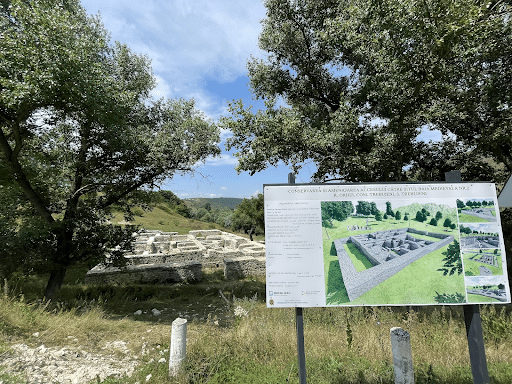
Orheiul Vechi represents Moldova’s most spectacular natural and cultural site, combining breathtaking landscapes with profound historical significance. This clifftop monastery complex overlooks dramatic horseshoe bends in the Raut River, where limestone cliffs rise above pastoral valleys creating scenes of extraordinary beauty. The site reveals continuous habitation spanning over 2,000 years, from ancient Dacian settlements through Mongol invasions to present-day Orthodox monasticism.
The Cave Monastery, carved directly into limestone cliffs, forms the spiritual heart of this Moldova must see destination. Visitors climb narrow passages into chambers where religious frescoes adorn stone walls, candles illuminate sacred spaces, and monks maintain contemplative lifestyles continuing centuries-old traditions. The monastery welcomes respectful visitors, offering opportunities to observe Orthodox practices, speak with monks about spiritual life, and experience genuine religious atmosphere untainted by commercial tourism.
Archaeological excavations across the complex reveal remnants of various civilizations, including Dacian fortifications, medieval Moldovan structures, and evidence of diverse cultures that occupied this strategic location throughout millennia. Walking trails connect different zones, providing spectacular viewpoints overlooking the river valley where the landscape’s beauty rivals the historical significance. The nearby village of Butuceni offers authentic rural experiences through homestays where visitors share meals with local families, adding cultural depth to historical exploration.
Milestii Mici Wine Collection
While Cricova may be more famous internationally, Milestii Mici holds the Guinness World Record for the largest wine collection and deserves inclusion on any Moldova must see list. This underground complex stretches across 200 kilometers of galleries, housing nearly two million bottles in carefully organized sections. The sheer magnitude creates awe as visitors realize the tunnels extend far beyond what single tours can explore.
Tours through selected galleries showcase Moldova’s wine diversity, from sparkling wines to robust reds to delicate whites, all aging in optimal conditions. The facility focuses more on quantity and storage capacity than Cricova’s emphasis on historical collections, but the experience remains impressive for understanding Moldova’s position as a serious wine-producing nation. Tastings feature wines representing various regions and grape varieties, educating visitors about Moldova’s viticultural diversity beyond simple quantity measurements.
Chisinau’s Stefan cel Mare Central Park
Among Moldova must see urban attractions, Stefan cel Mare Central Park represents Chisinau’s green heart and social center. This sprawling park, established in the 1820s, provides peaceful retreats beneath century-old trees where locals and visitors mingle on benches, stroll shaded pathways, and enjoy seasonal flowers in meticulously maintained gardens. The park embodies Chisinau’s character—unpretentious, welcoming, and genuinely livable rather than merely tourist-oriented.
The monument to Stephen the Great, Moldova’s most celebrated medieval ruler, anchors the park’s central alley. This statue symbolizes national pride and historical continuity, serving as a gathering point for celebrations, protests, and daily life. Surrounding the park, architectural landmarks including the Nativity Cathedral with gleaming golden domes, the Government House, and the Triumphal Arch create a condensed historical tour through Moldova’s architectural evolution.
The park offers more than passive sightseeing—it provides authentic glimpses into contemporary Moldovan life as families picnic, couples stroll hand-in-hand, elderly residents play chess, and young people gather on warm evenings. This living, breathing community space ranks among Moldova must see destinations for understanding the country beyond historical sites and tourist attractions.
Soroca Fortress
Soroca Fortress, perched dramatically on the Dniester River in northern Moldova, exemplifies medieval military architecture and earns its place among Moldova must see historical sites. This circular fortress with five defensive towers was constructed in the late 15th century under Stephen the Great’s rule to protect against Ottoman invasions. The well-preserved structure allows visitors to walk ramparts, explore tower interiors, and imagine medieval defensive strategies against constant military threats.
The fortress location provides panoramic views across the Dniester River into Ukraine, illustrating strategic importance that made this site crucial throughout centuries of conflict between competing empires. The surrounding area includes the “Gypsy Hill” neighborhood featuring elaborate mansions built by Roma families, creating unusual architectural contrasts between medieval stone fortifications and contemporary residential extravagance. This juxtaposition adds unexpected dimensions to fortress visits, revealing Moldova’s diverse communities and contemporary social dynamics alongside historical military heritage.
Capriana Monastery
Capriana Monastery ranks among Moldova’s oldest and most spiritually significant religious sites, essential for any Moldova must see monastery circuit. Founded in 1429 and nestled in forested hills of central Moldova, this monastery complex combines multiple churches, monks’ cells, and peaceful gardens where spiritual contemplation flourishes. The serene woodland setting enhances the monastery’s tranquil atmosphere, attracting both pilgrims and tourists seeking respite from modern life’s demands.
Beautiful frescoes, religious artifacts, and ongoing monastic life offer authentic glimpses into Orthodox traditions that shape Moldovan spiritual and cultural identity. Unlike museums displaying religious heritage as historical artifacts, Capriana functions as a living spiritual community where faith remains vibrant and central to daily existence. Visitors witness monks’ daily routines, attend services if they choose, and experience the profound peace that draws people to monastic life across centuries and cultures.
Tiraspol and Transnistria
No Moldova must see list would be complete without mentioning Transnistria, the breakaway region that maintains Soviet-era aesthetics and governance three decades after the USSR’s collapse. Tiraspol, the Transnistrian capital, offers surreal experiences walking streets where Lenin statues still dominate central squares, Soviet symbols adorn government buildings, and communist ideology persists as official policy rather than historical curiosity.
The journey to Transnistria requires navigating border checkpoints and obtaining temporary entry documents, adding adventure to education. The experience provides living history lessons about Soviet culture’s persistence and post-Soviet frozen conflicts that textbooks cannot adequately convey. While politically controversial, Transnistria visits offer unique perspectives on identity, sovereignty, and how communities maintain distinctive character despite international isolation.
Curchi Monastery
Curchi Monastery impresses visitors with its grand baroque-style cathedral featuring striking blue and white facades, earning its place among Moldova must see religious architecture. The monastery complex, established in the 18th century, includes multiple churches, bell towers, and auxiliary buildings arranged around courtyards creating harmonious architectural ensembles. The combination of aesthetic beauty, spiritual significance, and peaceful rural location makes Curchi essential for travelers interested in Orthodox heritage or architectural photography.
The monastery’s elevated position provides sweeping views across surrounding countryside, enhancing the sense of spiritual elevation and worldly detachment that monastic life cultivates. Visitors during religious festivals witness the monastery at its most vibrant, with processions, choral singing, and traditional celebrations that engage entire communities in religious expression rarely experienced in secularized Western societies.
National Museum of History of Moldova
Understanding Moldova requires historical context that the National Museum of History in Chisinau provides comprehensively. This Moldova must see cultural institution houses archaeological treasures spanning prehistoric times through contemporary periods, with exhibits documenting the various empires and cultures that shaped Moldovan identity. The famous Golden Treasure, discovered near Chisinau, showcases ancient craftsmanship while medieval artifacts illuminate Moldovan principalities’ sophistication and cultural achievements.
Soviet occupation and independence struggle exhibits address recent history with surprising candor, helping visitors understand contemporary political complexities and national identity questions that continue shaping Moldova. The museum provides essential background for appreciating other attractions throughout the country, making it ideal for early itinerary placement when educational foundations enhance subsequent experiences.
Moldovan Wine Routes
Beyond famous underground cellars, Moldova’s wine routes connecting boutique family wineries deserve inclusion on any Moldova must see itinerary. These smaller operations produce limited-production wines from indigenous grape varieties like Feteasca Neagră and Rara Neagră, offering intimate tastings where winemakers personally share their passion and family traditions. The wine routes traverse beautiful countryside, connecting charming villages and providing authentic rural experiences complementing historical and cultural attractions.
Visiting multiple small wineries reveals Moldova’s wine diversity and the personal dedication that sustains traditions against modernization pressures and economic challenges. These experiences often include meals pairing regional cuisine with carefully selected wines, creating memorable encounters that transcend simple tastings to become genuine cultural exchanges between visitors and local communities proud to share their heritage.
Conclusion
These Moldova must see destinations collectively reveal a country offering far more than its modest international profile suggests. From underground wine cities unmatched anywhere globally to cliff-carved monasteries continuing ancient traditions, from medieval fortresses witnessing centuries of conflict to Soviet-era time capsules preserving vanished political systems, Moldova presents diversity and authenticity increasingly rare in commercialized European tourism.
The essential attractions share a common quality: genuineness. Cricova isn’t a wine theme park but a functioning cellar producing excellent wines. Orheiul Vechi isn’t a museum but an active spiritual community. Transnistria isn’t staged nostalgia but actual ongoing Soviet-style governance. This authenticity makes Moldova must see destinations memorable not just as exotic curiosities but as meaningful encounters with places where history, tradition, and contemporary life interweave naturally.
For travelers seeking Europe’s last undiscovered corners where tourism enhances rather than dominates local character, these Moldova must see experiences deliver abundantly. They reward curiosity over comfort, authenticity over luxury, and genuine discovery over Instagram-perfect backdrops, creating journeys that linger in memory as true travel rather than mere tourism.

