Creating a cohesive feel in your home can feel like putting together a complex puzzle. Every element, from the sofa to the coffee table, needs to fit just right. Three of the most impactful pieces in this puzzle are your rugs, wall art, and lighting. When chosen thoughtfully, they work together to create a unified and inviting atmosphere. A well-placed rug can anchor a room, art can give it personality, and lighting sets the mood.
Getting this combination right is the key to a beautifully designed space. This guide offers straightforward advice on how to pair these three elements. We will also look at examples from The Ambiente, a design-focused studio in New Delhi known for its premium carpets, to show how to apply these principles. Whether you’re starting from scratch or looking to update a room, these tips will help you create a space that feels both personal and polished.
Understanding Rug Styles
Before you buy rugs online or in a store, it’s helpful to understand the different styles available. Modern rugs come in many forms, from bold geometric patterns to subtle contemporary designs. The right rug can define a space and set the tone for the entire room.
When making your selection, consider the room’s function and your personal taste.
- Contemporary Rugs: These often feature abstract designs, subtle textures, or solid colors. They work well in minimalist or modern interiors, providing a clean foundation for other decor.
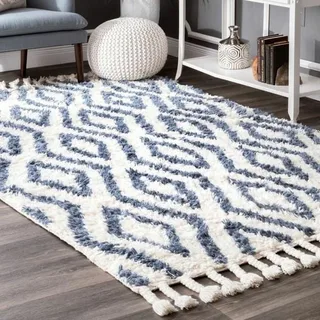
- Geometric Rugs: With repeating shapes and bold lines, these rugs add a dynamic and structured feel to a room. They are excellent for creating a focal point and adding visual interest.
- Persian and Oriental Rugs: Known for their intricate patterns and rich history, these classic styles can add a layer of sophistication. Modern interpretations often use updated color palettes to fit contemporary homes.
Choosing the right size is also critical. A common mistake is selecting a rug that is too small, which can make a room feel disconnected. As a general rule, a living room rug should be large enough for at least the front legs of your main furniture to sit on it. In a dining room, the rug should extend beyond the chairs, even when they are pulled out.
Coordinating Rugs with Wall Art
Once you have your rug, the next step is to coordinate it with your wall art. The goal is to create a visual conversation between the pieces, not to have them compete for attention.
Color Coordination
Color is the most direct link between your rug and your art. You can use several techniques to create a harmonious palette:
- Monochromatic: Select a single color and use different shades and tints of it throughout the room. For example, a navy blue rug can be paired with wall art that features various shades of blue.
- Complementary: Choose colors that are opposite each other on the color wheel, like blue and orange. This creates a high-contrast, energetic look. If your rug has a bold orange accent, a piece of art with hints of blue can tie the room together.
- Analogous: Use colors that are next to each other on the color wheel, such as blue, green, and teal. This approach creates a serene and cohesive feel.
Balancing Patterns and Textures
If your rug has a busy, intricate pattern, opt for simpler, more subdued wall art. This allows the rug to be the star of the show. A large abstract painting with minimal detail or a series of simple graphic prints can work well.
Conversely, if you have a neutral or solid-colored rug, you have more freedom to choose bold and expressive artwork. The simple rug provides a grounding backdrop that lets the art shine. Also, consider the texture. A plush, high-pile rug might pair nicely with the smooth surface of a photograph or a glass-framed print, creating a pleasing tactile contrast.
Selecting the Right Lighting
Lighting is the final piece of the puzzle. The right light can dramatically alter the appearance of your rug and art, enhancing their colors and textures.
The Impact of Light Temperature
The color temperature of your light bulbs, measured in Kelvins (K), makes a big difference.
- Warm Lighting (below 3000K): This light has a yellowish-white glow, similar to a traditional incandescent bulb. It creates a cozy and inviting atmosphere and tends to bring out the reds, oranges, and yellows in your rug and art.
- Cool Lighting (above 4000K): This light has a bluish-white tone and mimics natural daylight. It is brighter and more clinical, making it suitable for workspaces. Cool light will emphasize blues and greens.
For most living spaces, warm or neutral lighting (around 3000-3500K) is a safe bet. It provides enough clarity to appreciate your decor without feeling harsh.
Choosing Complementary Fixtures
The style of your lighting fixtures should also align with your rug and art. If you have a sleek, geometric rug and abstract art, a modern chandelier or a minimalist floor lamp would be a good fit. For a room with a more classic Persian rug, you might consider fixtures with more ornate details. Spotlights or track lighting can be used to highlight specific pieces of art, drawing attention to them and creating focal points within the room.
A Look at The Ambiente
The Ambiente, with its flagship store in New Delhi, demonstrates how to blend craftsmanship with current design. The company builds on 30 years of expertise from its parent company, Bhadohi Carpets. Founded by Avani Khandelwal, the brand focuses on making high-quality, handwoven rugs more accessible.
A key part of The Ambiente’s operation is its commitment to its artisans. The company works with over 4,000 women weavers, providing them with sustainable work and connecting them to a larger creative network. This approach ensures that each rug is not just a beautiful object, but a product of skilled craftsmanship and fair practice.
For example, imagine pairing one of their textured, neutral-toned modern rugs with a large, colorful painting. The rug provides a subtle, tactile foundation, while the painting adds a splash of personality. Add a set of warm, adjustable spotlights focused on the artwork, and the room comes alive. This combination highlights both the quality of the rug and the beauty of the art.
Practical Tips for Your Design
- Create a Mood Board: Before you commit to any purchases, create a digital or physical mood board. Gather images of rugs, art, and lighting fixtures that you like. This will help you visualize how the different elements will work together.
- Start with the Rug: It’s often easiest to choose the rug first. As one of the largest and most significant pieces in a room, the rug can serve as the foundation for your color palette and overall style.
- Borrow Samples: If possible, bring rug samples and paint swatches home. Colors can look very different in your space’s natural light compared to in a showroom.
Finalizing Your Room’s Look
Pairing modern rugs with the right art and lighting is about creating balance. Each element should complement the others without overwhelming the space. By carefully considering color, pattern, texture, and light, you can design a room that is both stylish and deeply personal.
If you’re looking to buy rugs online or need inspiration for your next project, consider sources that value both design and quality. A well-made rug is an investment that can define a room for years to come. Take your time, plan your choices, and build a space that truly reflects your style.