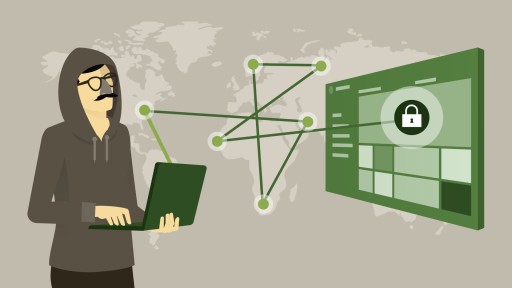
The internet is a vast digital universe, but not all of it is accessible through traditional search engines. Beneath the surface lies the dark web—a part of the internet that is intentionally hidden and requires special tools to access. At the core of this hidden layer are dark web links, gateways to websites and services that cannot be found on the regular web.
What Are Dark Web Links?
Dark web links are URLs that exist on the dark web rather than on the surface web. Unlike conventional web addresses, these links often use complex domains, such as “.onion” or other anonymized extensions, designed to conceal the identity and location of the servers hosting them. Accessing these links requires specialized software, such as Tor (The Onion Router), which routes traffic through multiple encrypted layers, making users and servers difficult to trace.
How Dark Web Links Work
Traditional websites rely on standard domain name systems (DNS) that translate human-readable URLs into IP addresses. In contrast, dark web links use a decentralized system where addresses are generated using cryptographic algorithms. This ensures anonymity for both site operators and visitors. Each time a user accesses a dark web link, their request is routed through several encrypted nodes, masking their identity and location.
Common Uses of Dark Web Links
While the dark web has a notorious reputation, dark web links serve a variety of legitimate and illegitimate purposes:
-
Privacy-Focused Communication: Journalists, activists, and whistleblowers use the dark web to communicate safely in oppressive environments.
-
Anonymous Marketplaces: The dark web hosts marketplaces for digital goods and services, some legal, some illicit.
-
Information Exchange: Forums and discussion boards on the dark web often host topics that users cannot freely discuss on the surface web.
It is crucial to understand that while some dark web links provide safe avenues for anonymous interaction, many are associated with illegal activities. Users should exercise extreme caution.
Risks Associated with Dark Web Links
Navigating dark web links is inherently risky. The anonymity that protects users also attracts cybercriminals. Risks include:
-
Malware and Viruses: Many sites on the dark web host malicious software designed to compromise devices.
-
Scams and Fraud: Unregulated marketplaces often deceive users, leading to financial losses.
-
Legal Implications: Accessing illegal content through dark web links can result in severe legal consequences, depending on jurisdiction.
How to Access Dark Web Links Safely
If users wish to explore the dark web for legitimate purposes, safety measures are critical:
-
Use Tor Browser: The primary tool for accessing dark web links securely.
-
Avoid Personal Information: Never share real names, addresses, or payment details.
-
Employ Security Software: Antivirus and VPNs add layers of protection.
-
Research Before Clicking: Many links are scams or contain malicious content.
The Future of Dark Web Links
As the internet evolves, dark web links may play an increasing role in online privacy and digital freedom. Developers are continually working on technologies that enhance anonymity, security, and accessibility for users who require safe, private communication channels. However, the dark web will likely remain a place of caution, where curiosity must be balanced with prudence.
Conclusion
Dark web links represent a hidden dimension of the internet that is both fascinating and dangerous. They are tools of anonymity that can empower privacy-conscious users while simultaneously posing significant risks. Understanding how these links work, their uses, and their dangers is essential for anyone considering exploring this hidden digital realm.