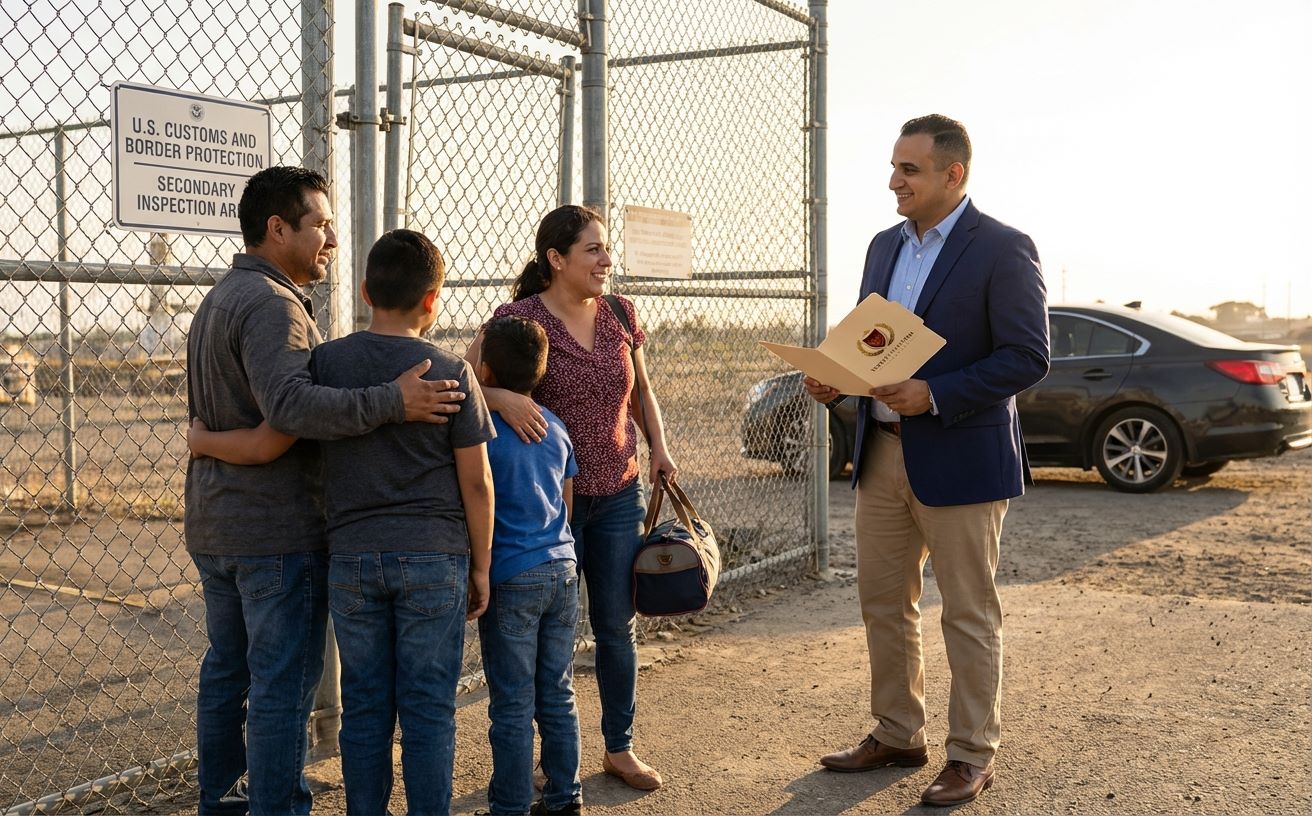
Immigration detention cases can vary depending on where a person is held and which court has jurisdiction over the case. In the United States, immigration detention facilities are spread across several states, and each location is connected to specific immigration courts and federal district courts. These geographic factors can influence how a detention case proceeds and which legal avenues may be available.
Understanding the role of location can help explain why certain legal procedures take place in particular courts.
Immigration Detention Across Different Regions
The United States maintains numerous immigration detention centers that are managed either directly by federal agencies or through government contractors. Texas, for example, hosts many large detention facilities that process individuals from across the country.
Each detention center falls under the authority of a specific ICE field office and is connected to a designated immigration court. The court assigned to the facility typically handles the detainee’s immigration proceedings.
Because different courts operate in different jurisdictions, the legal process may vary slightly depending on where detention occurs.
Jurisdiction of Federal Courts
In addition to immigration courts, federal district courts also play a role in reviewing certain legal questions related to detention. The federal court that reviews a detention challenge is usually the one located in the region where the detainee is currently being held.
This rule is important because federal courts operate within geographic districts. When a legal challenge is filed, the court with jurisdiction over the detention facility generally handles the case.
As a result, the location of detention can determine which federal court reviews the legal issues involved.
Transfers Between Detention Facilities
Immigration detainees are sometimes transferred between facilities located in different regions. These transfers may occur for administrative reasons, such as facility capacity or transportation logistics.
However, transfers can also affect legal proceedings. When a detainee is moved to a new facility, the jurisdiction of the case may shift to a different immigration court or federal district court.
Because of this possibility, the location of detention can influence how legal matters are addressed during the process.
Legal Review of Detention
When questions arise about the legality of immigration detention, federal courts may review the case to determine whether custody remains lawful. Judges analyze factors such as the length of detention, the status of removal proceedings, and whether deportation is realistically possible.
Individuals facing prolonged detention sometimes consult a Texas Habeas Corpus Attorney to evaluate whether requesting federal court review of detention may be appropriate.
Through this process, the courts help ensure that detention decisions remain consistent with federal law and constitutional protections.
Conclusion
Location plays an important role in immigration detention cases. The detention facility, immigration court, and federal district court connected to a case can all influence how legal proceedings unfold.
By understanding how jurisdiction and geography affect detention cases, individuals and families can gain a clearer picture of how the immigration legal system operates and how judicial oversight helps maintain fairness and accountability.